
 Why Study in Canada ?
 Why Study in
 Prestigious Universities
Top-ranked universities like the University of Toronto, UBC, McGill, University of Waterloo, University of Windsor, and many more
Affordable & High-Quality
Compared to the UK or US, tuition and living costs are more reasonable, with excellent return on investment.
Diverse Study Fields
Diverse Study FieldsPrograms available in Business, Engineering, IT, Life Sciences, Arts, and more.
Work While You Study
With a Canadian Study Permit, you can work part-time (24 hours/week) during classes and full-time during semester breaks.
Post-Graduation Work Permit
The Post-Graduation Work Permit (PGWP) allows up to 3 years of work after studies, helping you gain valuable Canadian experience.
Pathway to Permanent Residency
Skilled work experience in Canada can help you qualify for permanent residency through programs like Express Entry.

Best Cities in Canada

Vancouver

Montreal

Ottawa

Calgary
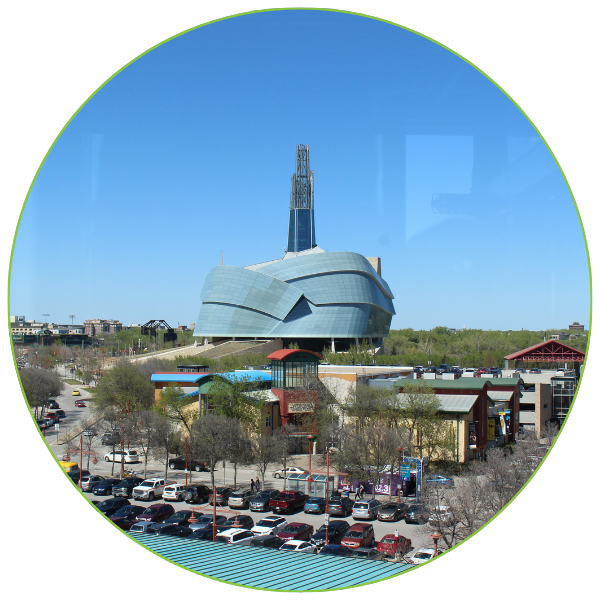
Winnipeg

Regina

Toronto
Top Canadian Institutions You Should Know

University of British Columbia (UBC)

Université de Montréal
McGill University

University of Manitoba

McMaster University

Queen’s University

University of Toronto

University of Ottawa

York University

University of Alberta
Popular Programs & Intake Timelines in Canada
Explore Canada’s most sought-after programs and intake schedules to plan your study path for maximum success.
Business Administration & Management
International Business, Marketing, HR, Entrepreneurship
Supply Chain & Logistics
Procurement, Warehousing, Transportation
Computer Science & IT
Software Engineering, Cybersecurity, Networking
Engineering
Civil, Mechanical, Electrical, Automotive
Health & Life Sciences
Nursing, Biotechnology, Environmental Science
Hospitality & Tourism
Hotel Management, Event Planning, Culinary Arts
Media & Communications
Journalism, PR, Digital Media
Data Science & AI
Machine Learning, Predictive Analytics
Graphic & Web Design
UX/UI, Motion Graphics, Branding
Animation & Gaming
3D Animation, Game Development, VFX
Fall Intake (September)
Most popular, wide range of programs
Winter Intake (January)
Good for students who may have missed September intake
Spring/Summer Intake (May)
Available at selected universities anLimited program options availabled courses.
English Language Requirements
Understand accepted tests and score ranges for studying in Canada.
Accepted English Proficiency Exams – Canada
| Test Name | Undergraduate (UG) | Postgraduate (PG) | Max Score |
|---|---|---|---|
| IELTS Academic | 6.0 – 6.5 | 6.5 – 7.5 | 9.0 |
| TOEFL iBT | 70 – 80 | 80 – 100 | 120 |
| PTE Academic | 50 – 58 | 58 – 65+ | 90 |
| Duolingo English Test (DET) | 95 – 105 | 110 – 120 | 160 |
Score ranges vary by college and program — always confirm with your chosen institution.
Cost of Studying & Living in Canada
Plan your Canadian education budget with a breakdown of tuition and living expenses
Diploma / PG Diploma / Certificate
CAD 16,000 – CAD 20,000/year
Bachelor's Degree
CAD 18,000 – CAD 35,000/year
Master's Degree
CAD 20,000 – CAD 35,000/year
CAD 22,895 / year
- Accommodation (shared)
$400 – $900/month
$4,800 – $10,800/year
- Food & Groceries
£150-250/month
$4,800 – $10,800/year
- Transport
£80-120/month
$4,800 – $10,800/year
- Utilities & Internet
£40-60/month
$4,800 – $10,800/year
Scholarships You Should Know
Phd
Vanier Canada Graduate Scholarship
Awarded to world-class doctoral students who demonstrate leadership skills and a high standard of scholarly achievement.
Generous funding for doctoral studies
Master’s
Canada Graduate Scholarship – Master’s (CGS-M)
Supports high-calibre scholars in eligible master’s or doctoral programs in Canada.
Up to CAD 17,500 for 12 months
Master’s/PhD
Ontario Graduate Scholarship (OGS)
Merit-based scholarship for graduate students in Ontario.
CAD 5,000 per term
Undergraduate
Lester B. Pearson Scholarship (U of T)
Awarded to outstanding international students at the University of Toronto.
Full tuition, books, and living allowance
Undergraduate
UBC International Scholars Program
Recognizes international students with exceptional academic achievement and leadership skills.
Full-ride scholarship
Undergraduate
York Global Leader of Tomorrow Award
For high-achieving international students applying to York University.
CAD 20,000/year
Admission & Visa - Documents and Process for Studying in Canada
All required documentation for applying to Canadian universities and securing your student visa.
Academic Transcripts
Marksheets from 10th, 12th, and/or bachelor’s degree
Passport
Valid for at least 6 months before application
English Language Test Scores
IELTS / TOEFL / PTE – varies by institution & program
Statement of Purpose (SOP)
Explains study goals, background, and career plans
Letters of Recommendation (LORs)
1–2 letters from teachers, professors, or employers
Resume / CV
Academic & work experience summary (for PG programs)
Portfolio
For design, architecture, animation, etc. (if applicable)
Work Experience Documents
Required for MBA/PG diploma applicants with job history
Backlog Summary
Required to determine the number of backlogs
1
Apply to a DLI and get LOA
Receive Letter of Acceptance (LOA) from a Designated Learning Institution (DLI)
2
Obtain Provincial Attestation Letter (PAL)
Required for most provinces except Quebec
3
If applying to Quebec: Get CAQ
Certificat d’acceptation du Québec (CAQ) is mandatory before visa application
4
Pay Tuition Fee
Pay at least 1 year of tuition and get official payment receipt
5
Open GIC Account & Transfer Funds
CAD 22,895 for living expenses
6
Gather Required Documents
Passport, LOA, PAL/CAQ, GIC, tuition receipt, IELTS/PTE, SOP, etc.
7
Medical Exam
Done through an IRCC-approved panel physician
8
Apply for Study Permit
9
Give Biometrics
At nearest Visa Application Centre (VAC), Biometric Fee: CAD 85
10
Visa Processing & Approval
Processing time varies from days to a few weeks
11
Receive Port of Entry (POE) Letter
Letter to present at Canadian airport
12
Travel to Canada
Carry original docs: LOA, PAL/CAQ, GIC, tuition receipt, POE Letter
13
Get Study Permit at Border
Issued by a Canada Border Services Officer on arrival
- Funds Required
- Tuition Fee: Minimum 1 year paid
- Living Expenses: CAD 22,895 for a year
Working Rights in Canada for International Students
International students in Canada can work part-time while studying to gain experience and help cover living expenses.
International Students in Canada
During Academic Sessions
Up to 24 hours/week
During Scheduled Breaks
Full-time
- Important Note
Students can work off-campus up to 24 hours per week during academic sessions and full-time during scheduled breaks, as per Canadian immigration rules.
Post-Graduation Work Permit (PGWP)
Up to 3 Years
Duration depends on the length of the study program
- Work for any employer
- No job offer required to apply
- Gain Canadian work experience for PR pathways
Job Opportunities & Work Permit After Studying in Canada
Canada has one of the strongest and most stable economies in the world, with low unemployment, growing industries, and a strong demand for skilled talent. From tech hubs like Toronto and Vancouver to healthcare and construction across provinces, the country offers countless work opportunities for qualified graduates.
🌟 Work After Graduation
- 🎓 University graduates (Bachelor’s, Master’s, PhD) can still apply for up to 3 years of open work permit after graduation – no matter which subject you study.
- 🏫 College diploma or postgraduate certificate students must now choose programs in fields which are in – demand (like healthcare, engineering, IT, trades, early childhood education, cooking & culinary arts, etc.) to be eligible for the PGWP.
🚀 Your Path to Success
- Work full-time in Canada for up to 3 years
- Gain experience that supports permanent residency
- Build a successful career in a country known for diversity, safety, and opportunity
✅ Tip: We’ll help you choose PGWP-eligible programs and guide you with every step of the way—from admission to your job search!
| Field of Study | Job Roles | Career Outlook |
|---|---|---|
| Information Technology (IT) | Software Developer, Cybersecurity Analyst, Data Analyst | High demand in tech hubs like Toronto, Vancouver, and Montreal |
| Nursing & Healthcare | Registered Nurse, Aged Care Worker, Physiotherapist | Extremely high demand due to aging population and growing healthcare needs |
| Engineering | Civil, Mechanical, Electrical Engineers | Strong demand in infrastructure, manufacturing, and energy sectors |
| Accounting & Finance | Accountant, Financial Analyst, Auditor | Consistent demand, especially with CPA or CFA credentials |
| Trades & Skilled Work | Electrician, Plumber, Welder, Chef | High demand across provinces, strong salaries, and immigration pathways |
Top Industries in Demand
Information Technology
Software, AI, and data roles
Engineering
Civil, mechanical, and electrical engineering
Accounting & Finance
Banking, auditing, and financial analysis
Healthcare & Nursing
Nursing, physiotherapy, and aged care