
 Why Study in Ireland?
 Why Study in
 World-Class Universities
Ireland is home to globally ranked universities offering internationally recognized qualifications.
Affordable Education
Lower tuition fees and living costs compared to many other English-speaking countries.
English-Speaking Environment
Improve your English skills while studying in a friendly, welcoming country.
Post-Study Work Visa
2 years for Master's graduates and 1 year for Bachelor's graduates to work in Ireland.
EU Academic & Career Links
Access opportunities across the European Union for both study and employment.
Stunning Landscapes & Culture
Enjoy vibrant cities, breathtaking scenery, and a rich cultural heritage.
Industry Hub
Home to the European headquarters of top IT, pharma, and finance companies
Pathway to Permanent Residency
Opportunity to gain indefinite right to stay after meeting work and visa requirements.

Best Cities in Ireland
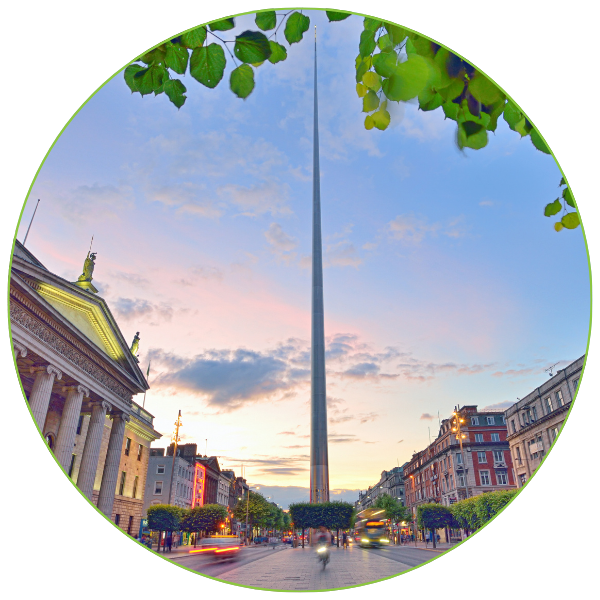
Dublin
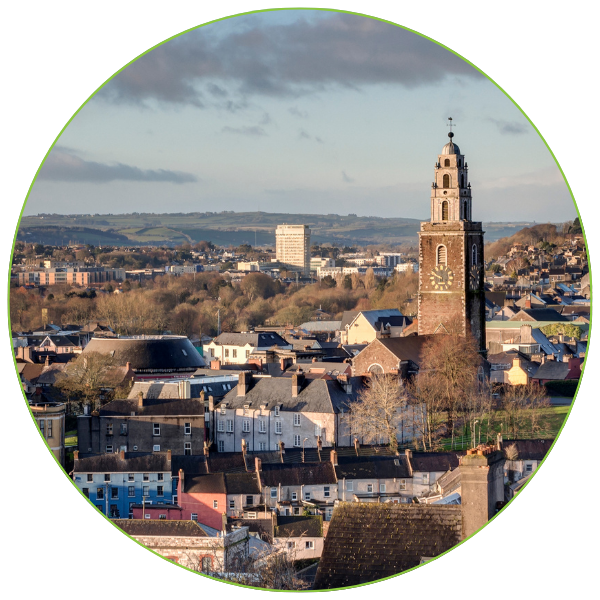
Cork
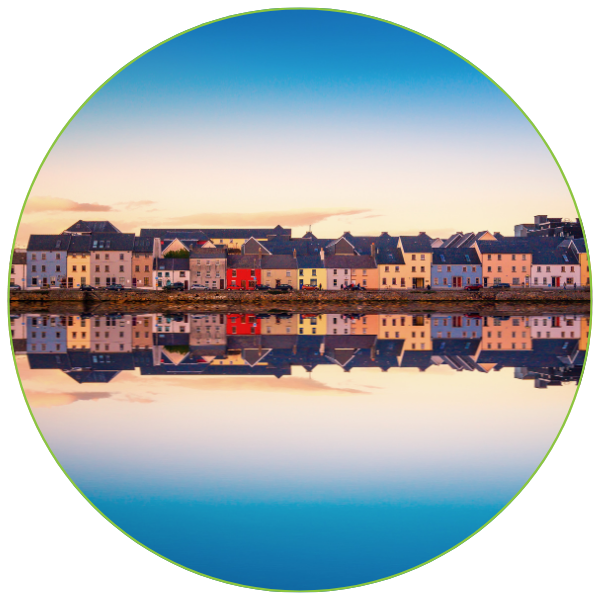
Galway
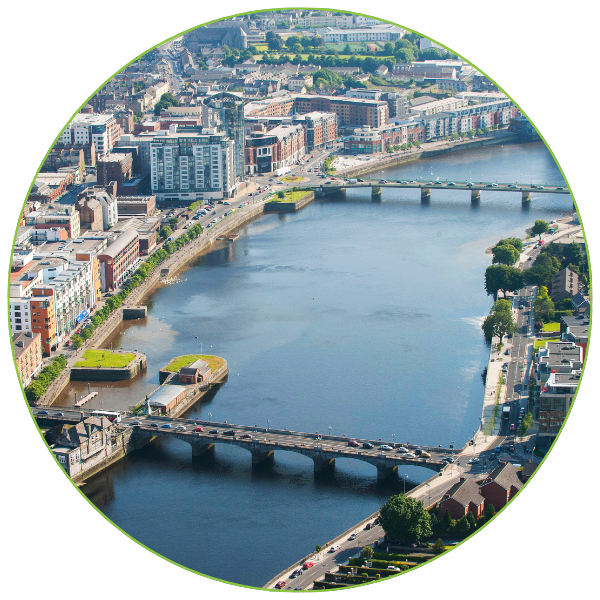
Limerick
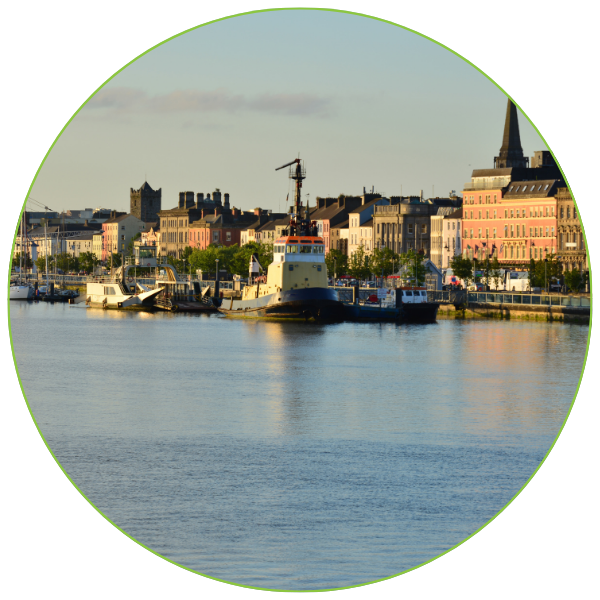
Waterford
Top Ireland Institutes You Should Know
Trinity College Dublin
University College Dublin
University College Cork
University of Galway
University of Limerick
Dublin City University
Maynooth University
Technological University Dublin
National College of Ireland
TUS: Midlands Midwest
Munster Technological University
Atlantic Technological University
Dublin Business School
Griffith College
IBAT College Dublin
Popular Programs & Intake Timelines in Ireland
Explore top courses and intake timelines for studying in Ireland
Engineering & Technology
Software Engineering, Data Science, AI, Cyber Security, Mechanical, Electrical, Computer Science
Business & Finance
nternational Business, Finance, Accounting, Management, Marketing, HR, Entrepreneurship
Healthcare & Medicine
Nursing, Pharmacy, Physiotherapy, Occupational Therapy
Science & Humanities
Biological Sciences, Chemistry, Physics, Environmental Science, Psychology, Sociology, Languages
Other Popular Courses
Hospitality, Tourism, Digital Media, Game Dev, Animation, International Relations, Law
September Intake (Major)
Maximum course options and highest student enrolments.
January Intake (Minor)
Limited courses and institutes available.
Program Duration & Course Structure
Bachelor’s Degrees
3 or 4 years
Honours or Ordinary Level | BA, BSc, BEng
Full-time undergraduate study. Work part-time (20 hrs/week) during term, 40 hrs/week during holidays.
Master’s Degrees
1 year
Taught or Research | MA, MSc, MBA
Intensive programs with coursework, research or a combination. Eligible for 2-year stay-back under Third Level Graduate Scheme.
Doctoral Degrees (PhD)
3–4 years
Research-based | Multiple fields
Advanced research projects with supervision. Funding often available through scholarships or assistantships.
English Language Requirements
Understand accepted tests and score ranges.
Accepted English Proficiency Exams – Ireland
| Test Name | Undergraduate (UG) | Postgraduate (PG) | Max Score |
|---|---|---|---|
| IELTS Academic | 6.0 | 6.5 | 9.0 |
| TOEFL iBT | 79 – 80 | 88– 90 | 120 |
| PTE Academic | 50 – 55 | 58 – 63 | 90 |
| Duolingo English Test (DET) | 95 – 105 | 110 – 115 | 160 |
Score ranges vary by university and program — always confirm with your chosen school.
Cost of Studying & Living in Ireland
Plan your Ireland education budget with a breakdown of tuition and living expenses.
Bachelors
Starts from €6,000/year
Tuition fees vary by program and university.
Masters
Starts from €12,000/year
Specialized programs may cost more depending on field.
MBA
Starts from €14,500/year
Fees depend on university ranking & program duration.
€10,000 – €12,000/year
Minimum proof for visa: €12,000
- Accommodation (shared)
€400 – €700/month
€4,800 – €8,400
- Food & Groceries
€250 – €400/month
€3,000 – €4,800
- Transport
€50 – €100/month
€600 – €1,200
- Utilities & Internet
€60 – €120/month
€720 – €1,440
- Miscellaneous
€100 – €200/month
€1,200 – €2,400
Scholarships You Should Know
Ireland offers a wide range of scholarships — from government-funded awards like the Government of Ireland International Education Scholarship to university-specific grants — supporting undergraduate, postgraduate, and research students.
Government Funded
Government of Ireland International Education Scholarship
Covers full tuition fees and living stipend for one academic year.
Full fee waiver + €10,000 stipend (1 year)
University Funded
University College Dublin – Global Excellence Graduate Scholarships
Awarded to exceptional graduate applicants demonstrating academic excellence.
100% Tuition Fees
University Funded
University College Cork – Quercus Taught Masters Academic Scholarships
Scholarships for high-achieving master’s students at UCC.
50% Tuition Fees
University Funded
Trinity College Dublin – Global Excellence Postgraduate Scholarships
Partial funding for outstanding international postgraduate students.
€5,000
University Funded
Technological University Dublin Scholarships
Merit-based awards for international students enrolling at TU Dublin.
50% Tuition Fees
University Funded
University of Limerick – Jim Kemmy India Scholarship
Scholarship for Indian students enrolled in eligible undergraduate programs.
€4,279/year (4 years)
University Funded
NUI Galway International Student Scholarships
Generous awards for high-achieving international students at NUI Galway.
Up to €16,000/year
Research Funding
The Walsh Fellowship
Supports postgraduate students engaged in agricultural and food research.
Up to €24,000/year
Private Funded
Education Future International Scholarships
Funding for Indian students based on academic merit and leadership.
Up to €11,000
Admission & Visa - Documents and Process for Studying in Ireland
All required documentation for applying to Irish universities and securing your student visa.
Academic Transcripts
Class X, XII, Bachelor’s marksheets or transcripts
Passport
Valid for at least 6 months before application
Statement of Purpose (SOP)
Tailored for your course and career goals
Resume/CV
Highlight academic and work achievements
Letters of Recommendation (LORs)
2 academic + 1 professional (if applicable)
English Proficiency Test Scores
IELTS, TOEFL, or equivalent
Work Experience
If applicable – with official letters
Portfolio
Mandatory for Art, Architecture & Design courses
Extracurriculars
State/National achievements, certifications
1
Get your Letter of Admission
Receive an official offer from an Irish institution
2
Show Financial Proof
6 months old funds, no large recent deposits
3
PCC & Medical Insurance
Obtain Police Clearance Certificate and arrange health coverage
4
Submit your Visa Application
Apply online via the Irish Naturalisation and Immigration Service
5
Attend Biometrics
Provide fingerprints and photographs
6
Get Decision
Visa decision typically within 2–3 weeks
- Funds Required
- Tuition Fee (1 year to be paid)
- Living Expenses: €12,000 per year
Working Rights in Ireland for International Students
Understand your work permissions during and after your studies in Ireland.
Full-time Students
During Term Time
20 hrs/week
During Holidays
40 hrs/week
- Important Note
Students must register with the GNIB and obtain an Irish Residence Permit (IRP) to work part-time in Ireland. Certain industries (like healthcare) require specific authorization.
Bachelor's & Master's Graduates
Up to 2 Years
Stay Back Option
PhD Graduates
Up to 2 Years
Post-Study Work Visa
Post-Study Work Benefits in Ireland
No Job Offer Required
No limit of work hours
Pathway to Residence
Career Prospects in Key Sectors
Technology & IT
Software, AI, and cloud computing roles
Engineering
Civil, mechanical, and electrical engineering
Accounting & Finance
Banking, fintech, and auditing roles
Healthcare
Nursing, medical research, and health tech
Lifestyle & Fun Facts
Irish Weather
You can experience all four seasons in one day!
Love of Tea
The Irish drink an average of 4–6 cups of tea daily.
Pub Culture
You’ll never be more than a short walk away from a pint of Guinness.
Irish Slang
Locals use so much slang you’ll feel like you need a dictionary.
Blarney Stone
Kiss it to get the gift of gab—if you dare!
Leprechauns
Famous in Irish folklore, but they’re friendly—unless you want their gold.
Irish Dancing
Riverdance your way through college—just keep up with the beat!
Fairy Rings
Mushroom circles that locals say are made by fairies.
Craic Agus Ceol
Traditional Irish music sessions will get you dancing.
St. Patrick's Day
Parades, green beer, and maybe even a pot of gold!
Guinness Storehouse
Home to a museum dedicated to the world-famous beer.
Sheep Galore
There are more sheep than people in many areas.
Celtic Crosses
Intricate designs perfect for an Instagram shot.
Famine Memorials
A moving reminder of Ireland’s history and resilience.
Haunted Castles
Ireland could be one giant spooky theme park.
Late-Night Pubs
Study (or not) over a pint until the wee hours.
Music Sessions
Live traditional music is a staple in pubs.
Funny Accents
Every region has its own charming twist on English.
Witty Banter
Expect quick wit and friendly sarcasm from locals.
Dry Humor
Irish humor is so dry you’ll need a snorkel.
Campus Life
Plenty of student clubs and organizations to join.