
 Study in Germany for Indian Students
 Study in
 25+ Years Experience
15,000+ Students
95% Visa Success
ICEF Accredited

Why Study In Germany ?
Discover why Germany is a popular destination for international students seeking quality education, affordable study options and global career opportunities.
Affordable & High-Quality Education
Germany offers high-quality education with low tuition costs at many public universities.
Public Universities in Germany
Choose from a wide range of globally recognised public universities and state-funded institutions.
English-Taught Programs
Explore a wide range of English-taught programs, particularly at Master's level.
Research & Innovation
Study in a country known for research, engineering, technology and innovation.
Strong Industry Connections
Benefit from Germany's strong links between universities, research and industry.
Work While Studying
International students can work within applicable student employment rules.
18-Month Post-Study Stay
Eligible graduates can obtain a residence permit for up to 18 months to look for qualified employment.
Globally Recognised Degrees
Earn a German qualification with opportunities for further study and international careers.
Best Student Cities
Explore popular student destinations offering education, career opportunities and a vibrant international environment.

Berlin
Innovation, startups, technology, arts & culture

Munich
Technology, engineering, business & research

Frankfurt
Finance, business & international industries
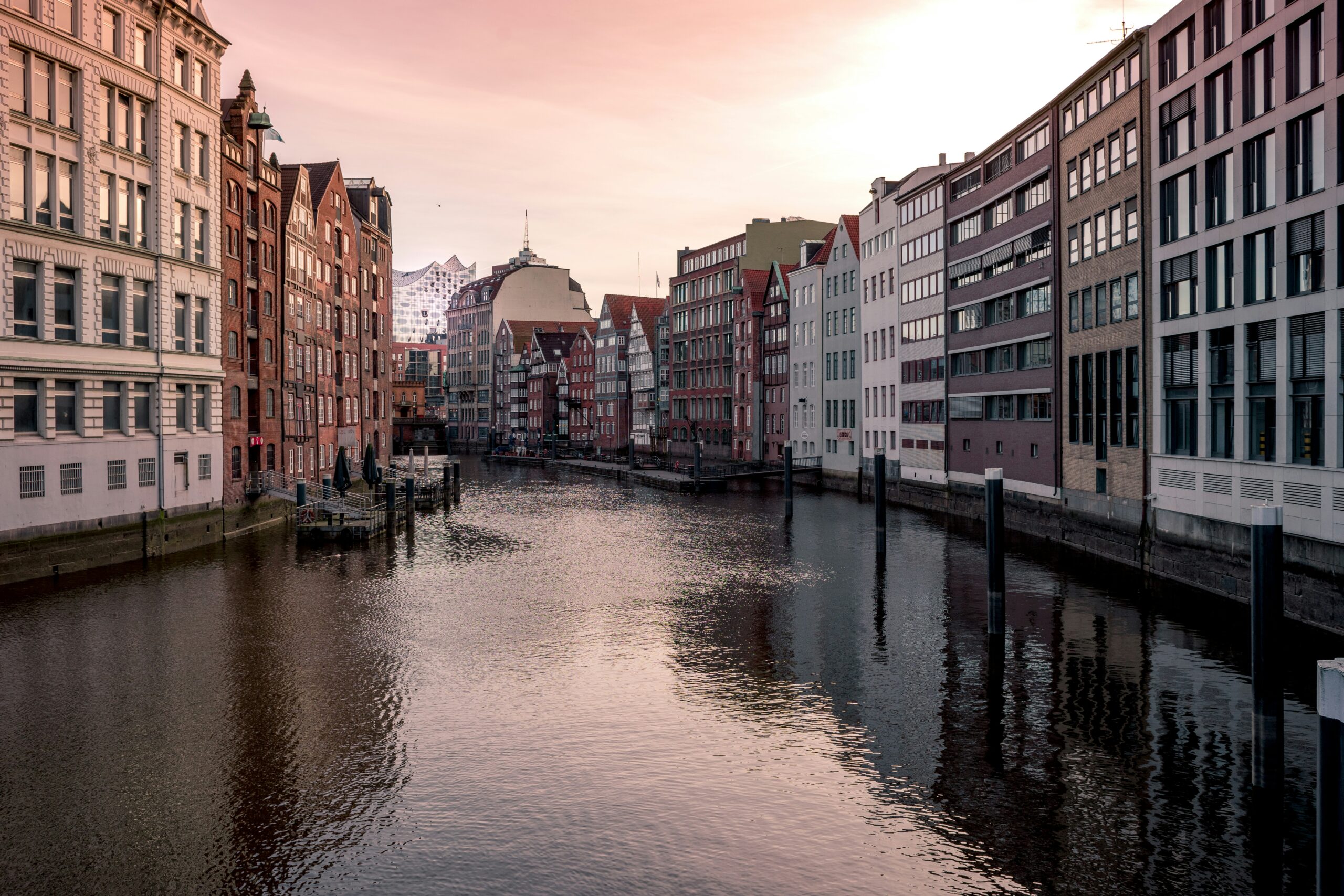
Hamburg
Business, logistics, media & technology

Cologne
Media, business, culture & student life
Top German Universities You Should Know
Universität Bonn
Universität Heidelberg

Ludwig Maximilian University of Munich (LMU)
Medizinische Hochschule Hannover
Universität Tübingen
University of Mannheim
University of Würzburg
Popular Programs & Intake Timelines in Germany
Explore popular courses and intake timelines at universities across Germany, including leading public universities.
Engineering Programs
Mechanical, Electrical, Automotive, Civil, Industrial & Computer Engineering
Computer Science & IT
Computer Science, AI, Data Science, Software Engineering & Cybersecurity
Business & Economics
Finance, Business Analytics, Economics, Marketing & Management
Automotive & Mobility
Automotive Engineering, Mobility, Mechatronics & Vehicle Technology
Renewable Energy & Sustainability
Renewable Energy, Environmental Engineering, Energy Management & Sustainability
Life Sciences
Biotechnology, Biomedical Sciences, Pharmaceutical Sciences & Life Sciences
Winter Intake
September/October
Main intake with the widest range of programs and universities.
Summer Intake
March/April
Selected universities and programs offer admission for the summer semester.
Germany is known for Global Career Opportunities
Germany is known for Germany is known for
Germany is known for Cutting-edge Research
Germany is known for Affordable Education
Important: Intakes and application deadlines vary by university and program.
Program Duration & Course Structure
Explore Bachelor’s and Master’s programs at German universities, including a wide range of options at public universities.
Bachelor's
3 to 4 years
A minimum of 12 years of schooling is required. Students need to complete a Studienkolleg (preparatory course) before starting a Bachelor’s degree if the qualification is not fully recognised.
Master's
1 to 2 years
Advanced study across coursework, research and specialised fields.
Doctoral / PhD
3+ Years
Research-focused study leading to an advanced academic qualification.
English Language & Other Test Requirements
Understand English language requirements and other tests that may apply to your chosen German university and program.
Accepted Tests
Accepted by many German universities and programs. Requirements vary.
Accepted by many German universities and programs.
Some universities may accept additional English proficiency tests.
Some universities may accept additional English proficiency tests.
Language requirements vary by university and program.
dMAT Requirement
Digital Master Test (dMAT)
For selected Master’s applicants from India, dMAT is an additional element in APS documentation for applications relating to Summer Semester 2027 and subsequent Master’s intakes, where the previous degree falls within the affected fields.
Affected fields include: Engineering; Commerce / Accounting / Finance / Economics; Business / Management.
dMAT does not replace APS verification or university admission.
German Language Levels & Preparation
Build your German language skills step by step with EduKonnect’s language preparation support.
A1 — Beginner
Understand and use basic everyday expressions and simple phrases.
A2 — Elementary
Communicate in familiar everyday situations and understand basic conversations.
B1 — Intermediate
Handle everyday communication and express yourself on familiar topics.
B2 — Upper Intermediate
Communicate with greater fluency and understand more complex conversations and texts.
Prepare with EduKonnect
EduKonnect helps students prepare for German language levels from A1 to B2, with structured language learning support to build communication skills for their study-abroad journey.
A1 → A2 → B1 → B2
Cost of Studying & Living
Plan your Germany education budget with a clear breakdown of tuition fees, semester contributions and living expenses.
Public Universities
Low or No Tuition Fees
Most Bachelor’s and many Master’s programs at public universities do not charge tuition fees, although a semester contribution is generally payable. Exceptions can apply depending on the university, state and program.
Private Universities
Higher Tuition Fees
Private universities generally charge tuition fees, which vary significantly by university and program.
Living Expenses
Plan Your Monthly Budget
Living costs vary depending on your city, accommodation and lifestyle. Smaller cities can generally be more affordable than major metropolitan areas.
Germany Student Visa Financial Requirement
For Indian student visa applicants: €11,904 for one year. Maximum withdrawal: €992 per month.
Scholarships You Should Know
Explore scholarships and funding opportunities that can help support your studies in Germany.
DAAD Scholarships
Funding opportunities for international students, graduates and researchers.
Deutschlandstipendium
Merit-based financial support offered at participating German universities.
University Scholarships
Some universities offer scholarships or financial support based on academic performance and eligibility.
Other Funding Opportunities
Explore scholarships and funding from foundations and other organisations.
Admission & Visa - Documents and Process for Studying in Germany
Choose Your Course & University
Explore programs based on your academic background, career goals, eligibility and preferred destination.
Check Eligibility & Requirements
Review academic qualifications, subject prerequisites, language requirements and university-specific criteria.
Shortlist the Right Universities
Build a shortlist of suitable public universities in Germany and other institutions.
Prepare Your Application
Prepare your academic documents, CV, SOP, recommendation letters and required test scores.
Submit Your Application
Apply through the university portal or uni-assist, depending on the institution and program.
Complete APS & dMAT Requirements
Complete applicable APS requirements. Selected Master's applicants may also need dMAT.
Receive Your Admission Decision
Receive your admission letter or application outcome.
Complete Enrolment
Accept your offer, complete enrolment and pay applicable semester contribution or tuition.
Receive Your Admission Letter
Obtain admission from a recognised German university.
Complete APS Requirements
Ensure your applicable APS process is completed. Selected Master's applicants may also require dMAT.
Arrange Proof of Funds
Proof of Fee Payment, Proof of a Blocked Account €11,904 for living expenses (providers like Expatrio, Fintiba, Coracle), with a maximum withdrawal of €992 per month.
Arrange Health Insurance
Arrange appropriate health insurance & Travel insurance for your visa and enrolment requirements.
Submit Your Visa Application
Book an appointment at the German Embassy in your country.
Attend Your Visa Appointment
Complete document verification, biometrics and other applicable formalities.
Receive Your Visa & Travel
Travel to Germany and complete the required arrival, registration and university enrolment formalities.
Blocked Account
Plan Your Blocked Account Early
Your blocked account is an important part of the Germany student visa process. Compare available providers, understand their fees and timelines, and arrange your financial proof well before your visa appointment.
Fintiba | Expatrio | Coracle | Other Eligible Providers
Work While Studying
Gain work experience and earn supplementary income while pursuing your studies.
Part-Time Work
Student Jobs
Opportunities may include university assistant roles, research work, retail, hospitality and other part-time positions.
Internships
Internship opportunities may be available depending on your course and university.
Important
Part-time work should be viewed as supplementary income and not as the primary source of funding for your education.
Career Opportunities
Technology & IT
Software, AI, Data Science, Cybersecurity & Digital Technologies
Engineering & Manufacturing
Automotive, Mechanical, Electrical, Industrial & Manufacturing
Business & Finance
Business & Finance Finance, Consulting, Business Analytics, Management & International Business
Renewable Energy & Sustainability
Energy, Environmental Engineering, Sustainability & Green Technologies
Life Sciences
Biotechnology, Pharmaceutical Sciences, Healthcare & Research
Build Your Career in Germany
Internships & Industry Exposure
Gain practical experience alongside academic learning.
German Language Advantage
German language skills can expand opportunities in study, internships and employment.
Work After Graduation
Eligible graduates can obtain a residence permit for up to 18 months to look for qualified employment.
Student Lifestyle
Experience a unique blend of modern living, innovation, tradition and culture.
International Student Community
Meet students from Germany and around the world.Efficient rail and public transportation across major cities.
Efficient Public Transport
Travel conveniently within cities and across Germany.
Rich History & Culture
Explore museums, architecture, festivals and historic cities.
Student-Friendly Cities
Choose from large metropolitan cities and smaller university towns.
Research & Innovation
Experience Germany’s strong academic and research environment.
Nature & Travel
Explore mountains, forests, lakes and neighbouring European destinations.
Study Abroad FAQs
Germany offers internationally recognised education, strong research and industry connections, and many public universities with low or no tuition fees for applicable programs.
Many public universities do not charge tuition fees for Bachelor's and many Master's programs, although students generally pay a semester contribution. Exceptions can apply.
Popular public universities include TUM, RWTH Aachen, LMU Munich, Heidelberg University, TU Berlin and other recognised institutions. The right university depends on your course, eligibility and academic profile.
Requirements vary by university and program and may include academic qualifications, subject prerequisites, language proficiency and other university-specific requirements.
The Winter Intake, generally September/October, is the main intake. The Summer Intake, generally March/April, is available for selected universities and programs.
IELTS is accepted by many German universities, but requirements vary by university and program. Some institutions may accept other English-language qualifications.
APS verifies academic documents and educational qualifications issued by Indian institutions for applicants intending to study in Germany. APS requirements depend on the applicant category and current regulations.
dMAT is an additional academic aptitude test introduced for selected Master's applicants from India. The current affected fields include Engineering, Commerce/Accounting/Finance/Economics and Business/Management for Summer 2027 and subsequent Master's intakes, subject to applicable exemptions.
Costs depend on the university, program and city. Many public universities have no tuition fees for applicable programs, but students generally pay a semester contribution and need to budget for living expenses.
Yes. Germany offers many English-taught programs, particularly at Master's level. Availability and admission requirements vary by university and program.
A blocked account is one way of demonstrating sufficient financial resources for living expenses during your stay in Germany.
Students can research eligible blocked-account providers and compare their fees, services and processing timelines. Examples include Fintiba, Expatrio and other eligible providers.
Yes. International students can work subject to applicable German student employment rules.
Popular areas include Computer Science & IT, Engineering, Automotive, Business & Economics, Renewable Energy, Sustainability and Life Sciences.
Eligible international graduates can obtain a residence permit for up to 18 months to look for qualified employment after completing their studies.