
 Why Study in Australia ?
 Why Study in
 World-Ranked Universities
Home to top institutions like University of Melbourne, ANU, University of Sydney, and UNSW, ranked globally for excellence.
Globally Recognized Degrees
DegreesAustralian qualifications are valued worldwide, opening global career opportunities
Generous Post-Study Work Visas
Stay and work up to 5 years depending on qualification and location after graduation.
Work While You Study
International students can work up to 48 hours per fortnight during semester and full-time in breaks.
Cutting-Edge Facilities & Support
Modern campuses, research hubs, career development, and internship opportunities.
Pathway to Permanent Residency
Clear migration routes for skilled fields like nursing, IT, engineering, and accounting.

Best Cities in Australia

Brisbane

Perth
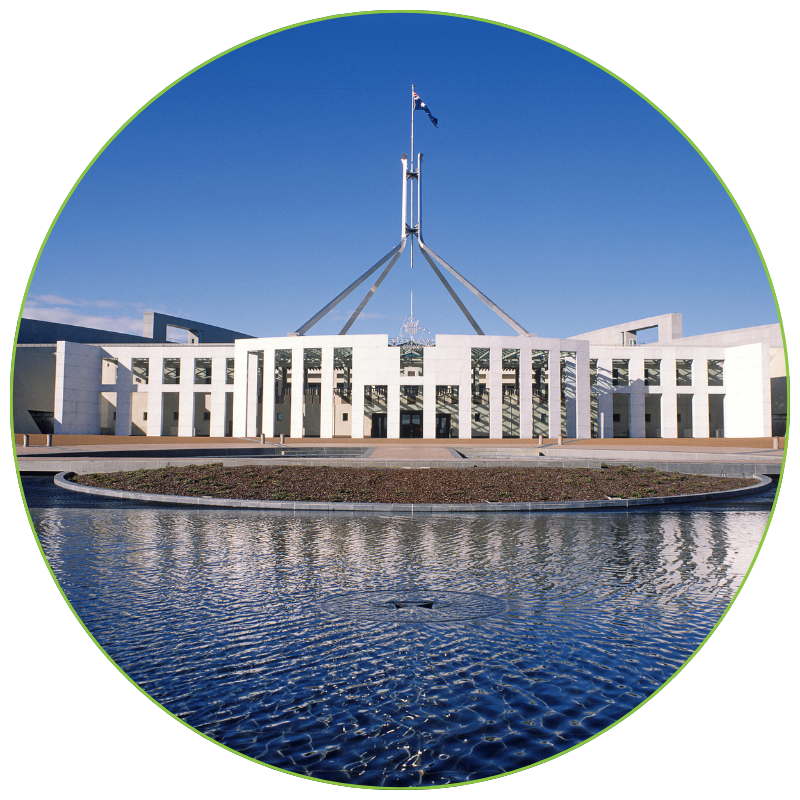
Canberra

Adelaide

Sydney

Melbourne
Top Australian Institutions You Should Know

University of Sydney

University of New South Wales (UNSW Sydney)

University of Queensland (UQ)
University of Western Australia (UWA)

University of Melbourne

Australian National University (ANU)
Popular Programs & Intake Timelines in Australia
Discover Australia’s top study programs and university intake schedules to plan your academic journey effectively.
Business & Management
International Business, Marketing, HR, Entrepreneurship
Information Technology
Software Engineering, Cyber Security, Cloud Computing
Engineering
Civil, Mechanical, Electrical, Mining, Chemical
Life Sciences
Biology, Environmental Science, Biotechnology
Accounting & Finance
Accounting, Financial Planning, Investment Management
Psychology
Clinical, Counselling, Organisational Psychology
Artificial Intelligence
Machine Learning, Robotics, Natural Language Processing
Data Science & Analytics
Big Data, Predictive Analytics, Business Intelligence
February Intake
Late February / Early March – Late May / Early June
July Intake
Late July / Early August – October / November
November Intake
Late October / Early November – February
English Language Requirements
Understand accepted tests and score ranges for studying in Australia.
Accepted English Proficiency Exams – Australia
| Test Name | Undergraduate (UG) | Postgraduate (PG) | Max Score |
|---|---|---|---|
| IELTS Academic | 6.0–6.5 (no band <6.0) | 6.5–7.0 (no band <6.0) | 9.0 |
| PTE Academic | 50 – 58 | 58 – 65+ | 90 |
Score ranges vary by college and program — always confirm with your chosen institution.
Cost of Studying & Living in Australia
Plan your Australian education budget with a breakdown of tuition and living expenses.
Bachelor’s Degree
AUD 20,000 – 45,000/year
Tuition fees vary by program and university.
Master’s Degree (Coursework)
AUD 25,000 – 55,000/year
Specialized programs may cost more depending on field.
Doctoral Degree (PhD)
AUD 20,000 – 42,000/year
Fees depend on university ranking & program duration.
AUD $29,710/year
- Accommodation (shared)
$380 – $860/month
$4,560 – $10,320
- Food & Groceries
$300 – $500/month
$3,600 – $6,000
- Transport
$100 – $250/month
$1,200 – $3,000
- Utilities & Internet
$90 – $150/month
$1,080 – $1,800
Scholarships You Should Know
Australia offers a variety of scholarships to support international students, including government-funded, university-specific, and research-based awards. These scholarships cover tuition, living expenses, and more.
Government Funded
Australia Awards Scholarships
Available to citizens of eligible developing countries.
Full tuition, travel, living allowance
Government Funded
Destination Australia Scholarships
For students studying in regional Australia.
Up to AUD 15,000/year
University Funded
University Scholarships
Awarded based on academic merit and/or financial need.
Partial to full tuition fee waivers
Research Funding
Research Training Program (RTP)
For PhD and research Master’s students.
Tuition + stipend for living expenses
University Funded
International Merit Scholarships
For high academic achievers.
10%–50% of tuition fees
Admission & Visa - Documents and Process for Studying in Australia
Choose Course & Institution
Select your desired program and institution in Australia.
Check Entry Requirements
IELTS 6.0+ or equivalent PTE score now commonly required.
Prepare Documents
10th & 12th certificates, Bachelor’s marksheets, SOP, resume, work experience (if applicable).
Apply to Institutions
Submit applications via authorized education agents.
Prepare GS Document
Include Genuine Student (GS) statement, which replaces the old GTE requirement.
Get Confirmation of Enrolment (CoE)
Accept offer, pay deposit & OSHC, and receive CoE (mandatory – Offer Letter not valid for visa).
Apply for Student Visa (Subclass 500)
Submit visa with CoE, GS document, medical exam, and proof of funds: Tuition Fee + AUD 29,710 (living) + AUD 2,500 (airfare).
Pay Visa Fee
AUD 2,000.
Enter Australia & Commence Study
Travel on e-Visa grant and begin your studies.
Working Rights in Australia for International Students
Understand your work permissions during and after your studies in Australia.
Student Visa Holders (Subclass 500)
During Study Periods
Up to 48 hours per fortnight
During Holidays/ Breaks
Full-time
- Important Note
Ensure compliance with visa conditions to maintain legal status.
Bachelor's & Master's Graduates
2–4 Years
Post-Study Work Visa (Temporary Graduate Visa – Subclass 485)
PhD Graduates
4 Years
Post-Study Work Visa (Temporary Graduate Visa – Subclass 485)
Top Industries in Demand
Information Technology
Software, AI, and data roles
Engineering
Civil, mechanical, and electrical engineering
Accounting & Finance
Banking, auditing, and financial analysis
Healthcare & Nursing
Nursing, physiotherapy, and aged care
Study Abroad FAQs
Australia offers some of the world’s most highly ranked universities, high quality teaching and learning, innovative and forward-looking approaches to teaching, and excellent career prospects. Students enjoy a multicultural environment, world class research facilities, quality lifestyle and industry oriented education. There are also eye-catching post-study employment prospects available in Australia, and it is a favored destination for learners interested in further academic and career development.
Requirements will differ from university to university and program to program. Students are typically required to have academic papers with entry requirements, have made a statement of purpose (SOP), have letters of recommendation (LORs), have English language proficiency, and submit other papers. Some programs may also call for interviews, portfolios and/or applicable work experience. EduKonnect makes your student familiar with your institutions’ requirements and assists them in preparing to meet those requirements.
Tuition fees for studying in Australia varies based on the course, university and location of the university. An average tuition fee for international students is between AUD 20,000 and 50,000 per year. On-going living expenses (housing, food, transportation, health care, personal expenses) can cost between AUD $20,000 and AUD $30,000 per year. Having a solid financial plan assists students in managing their educational and living expenses well.
Yes. Numerous international student scholarships are available in Australia, among them government-funded and educational based programs as well as scholarships in various universities.In addition to other universities and educational institutions, there are certain government-funded programs and scholarships for studying abroad, including in Australia, which are available to the Indian students. Scholarships can be based on academic merit, leadership potential, research accomplishments, or financial need. EduKonnect helps the students to determine the appropriate scholarship opportunities and to make an effective application.
The majority of Australian Universities post minimum English language skills requirements using tests like IELTS, PTE Academic, TOEFL and others. The minimum scores will differ between universities and programs. Generally, a score ranging from 6.0 (or even higher depending on the programme) - 7.0 in IELTS is usually required. EduKonnect arranges individualized advice on the language requirements of the following institutions.
Yes. International students who are on a valid student visa can work while they are studying (as long as the rules of their visa still allow for this). Whilst obtaining the education, part-time work offers students a chance to acquire valuable work experience, acquire business skills, and make some money for living costs.
For the most part, an Australian student visa application process starts once students receive their Confirmation of Enrolment (CoE) from their desired educational institution. As part of their visa application, students need to present academic documents, proof of financial capability, health insurance and other supporting information. EduKonnect will assist students in completing visa applications properly with the correct documentation, thus streamlining the process.
There are also great academic opportunities in Australia in many areas. Common Degree programs include Computer Science, Data Science, AI, IT, Engineering, Business Administration, Finance, Health Care, Public Health, Nursing, Cybersecurity, Hospitality Management, Education, and Environmental Sciences. Students have the ability to select programs based on their interests and future objectives for career and employment.
Exempt international students who have successfully completed their studies in Australia may be eligible for a number of post study work visa options dependent on the immigration system at the time in accordance with the current visa provisions. These choices enable graduates to stay in Australia and hone their skills in Victoria’s professional environment while working in their field of study. This work experience can will give [you] a better insight and pathway into the Australian job market as well as boosting future career opportunities.
EduKonnect offers students a complete service for their studies in Australia. We offer individual assessment, career guidance, course/university selection, application management, SOP and document guidance, scholarship support, student visa support, financial planning assistance, and support before departure. We assist students to confidently achieve their Australian education and career goals with personalised support and direction at all levels.